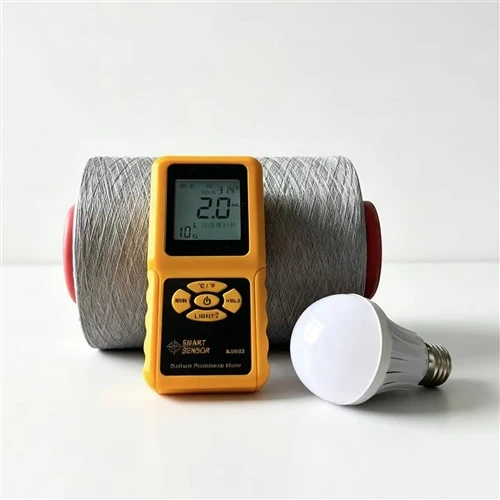
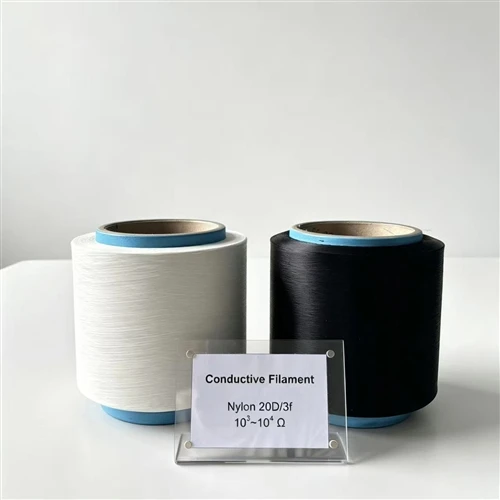
As global industries continue moving toward smart textiles, wearable electronics, industrial sensing systems, and conductive fabrics, the demand for carbon conductive yarn has increased significantly. From antistatic workwear to intelligent textile applications, conductive yarn has become a key functional material in modern manufacturing.
However, as sustainability becomes a major concern for manufacturers and international buyers, many companies are asking an important question:
What are the environmental impacts of producing carbon conductive yarn?
Understanding the environmental footprint of conductive yarn production is essential for manufacturers, sourcing managers, and product developers who aim to balance performance, innovation, and environmental responsibility.
This article explores the major environmental impacts associated with carbon conductive yarn manufacturing, along with emerging sustainable solutions shaping the future of the industry.
What Is Carbon Conductive Yarn?
Carbon conductive yarn is a specialized textile material engineered to conduct electricity while maintaining the flexibility and softness of traditional yarns. It is commonly produced by integrating carbon-based conductive materials into fibers such as polyester, nylon, or blended textile substrates.
Carbon conductive yarn is widely used in:
- Smart textiles
- Wearable technology
- Antistatic fabrics
- EMI shielding materials
- Medical monitoring devices
- Heated garments
- Industrial safety clothing
- Automotive interior systems
Its lightweight conductivity and flexibility make it an ideal alternative to traditional metal wiring in textile-based applications.
Raw Material Extraction and Environmental Concerns
One of the first environmental impacts begins with raw material extraction.
The carbon materials used in conductive yarn production are often derived from:
- Coal
- Petroleum coke
- Natural gas
- Synthetic carbon compounds
The extraction and processing of these fossil-based resources can create significant environmental pressure.
Environmental Challenges of Extraction
Greenhouse Gas Emissions
Mining and fossil fuel extraction release large amounts of carbon dioxide and methane into the atmosphere, contributing directly to climate change.
Land Degradation
Coal mining and petroleum extraction may lead to:
- Deforestation
- Soil erosion
- Habitat destruction
- Loss of biodiversity
-
Water Contamination
Mining operations can contaminate groundwater and nearby rivers through chemical runoff and heavy metal pollution.
These environmental issues have pushed many industries to seek lower-impact alternatives and cleaner production methods.
Energy Consumption in Carbon Conductive Yarn Manufacturing
The production of carbon conductive yarn is highly energy intensive.
To convert raw carbon materials into conductive fibers, manufacturers often rely on:
- High-temperature carbonization
- Heat treatment processes
- Specialized spinning technologies
- Surface coating systems
These processes require substantial electricity and thermal energy.
Carbon Footprint of Manufacturing
In many regions, production facilities still depend heavily on fossil-fuel-based electricity grids. As a result, conductive yarn manufacturing can generate significant greenhouse gas emissions.
Major energy-consuming processes include:
- Fiber stabilization
- Carbonization furnaces
- Conductive coating application
- Drying and curing systems
Without energy optimization, large-scale manufacturing can increase both operational costs and environmental impact.
Chemical Usage and Pollution Risks
Various chemicals are used throughout conductive yarn production to improve conductivity, adhesion, flexibility, and durability.
These chemicals may include:
- Solvents
- Surface treatment agents
- Conductive coatings
- Dyes
- Finishing chemicals
If improperly managed, chemical waste can create environmental hazards.
Potential Environmental Impacts
Water Pollution
Wastewater containing chemical residues may contaminate rivers and groundwater systems if not adequately treated.
Soil Contamination
Improper disposal of industrial chemicals can affect soil quality and agricultural ecosystems.
Air Emissions
Volatile Organic Compounds (VOCs) released during chemical processing may contribute to air pollution and smog formation.
To address these issues, environmentally responsible manufacturers are increasingly investing in cleaner chemical technologies and wastewater treatment systems.
Waste Generation During Production
Another important environmental issue is industrial waste generation.
Conductive yarn manufacturing may produce:
Fiber scraps
Off-specification yarn
Chemical sludge
Packaging waste
Process residues
If these materials are not recycled or reused, they often end up in landfills.
Long-Term Environmental Impact
Industrial textile waste can take decades or even centuries to decompose, especially when synthetic fibers are involved.
Additionally, landfill waste may release greenhouse gases over time, increasing environmental pressure.
Water Consumption and Wastewater Management
Water is essential in many stages of conductive yarn production, including:
Cooling systems
Washing processes
Chemical treatment
Surface finishing
However, excessive water consumption creates sustainability concerns, especially in regions facing water shortages.
Wastewater Challenges
Contaminated wastewater may contain:
Chemical residues
Carbon particles
Dyes
Conductive additives
Without proper treatment, these pollutants can damage aquatic ecosystems and reduce water quality.
Modern manufacturers are increasingly implementing:
Closed-loop water recycling systems
Advanced filtration technologies
Wastewater purification equipment
These improvements help reduce water usage and minimize environmental contamination.
Air Pollution and Industrial Emissions
Air pollution is another environmental challenge associated with conductive yarn production.
Industrial emissions may include:
Carbon dioxide (CO₂)
Nitrogen oxides (NOx)
Sulfur compounds
Volatile Organic Compounds (VOCs)
These emissions are generated through:
Fossil fuel combustion
Chemical processing
High-temperature manufacturing systems
Human Health Concerns
Poor air quality can contribute to:
Respiratory diseases
Cardiovascular problems
Occupational health risks
Environmental smog
As environmental regulations become stricter worldwide, manufacturers are under increasing pressure to reduce industrial emissions.
Sustainable Solutions for Conductive Yarn Manufacturing
Despite these environmental challenges, the conductive textile industry is actively adopting more sustainable practices.
Renewable Energy Integration
Many advanced manufacturers are transitioning toward renewable energy sources such as:
Solar power
Wind energy
Hydroelectric systems
Renewable energy can significantly reduce the carbon footprint of conductive yarn production.
Recycled Carbon Materials
The use of recycled carbon fibers is becoming increasingly popular.
Benefits include:
Reduced raw material extraction
Lower energy consumption
Less industrial waste
Improved resource efficiency
Recycling technologies are helping create a more circular economy within the conductive textile sector.
Eco-Friendly Chemical Systems
Manufacturers are also developing safer and more environmentally friendly chemical formulations.
This includes:
Low-VOC coatings
Water-based processing chemicals
Biodegradable treatment agents
These innovations help reduce environmental pollution while maintaining product performance.
Waste Reduction Programs
Modern conductive yarn factories are implementing:
Scrap recycling systems
Lean manufacturing methods
Sustainable packaging solutions
Production efficiency optimization
Reducing waste not only improves sustainability but also lowers manufacturing costs.
Growing Global Demand for Sustainable Conductive Textiles
As environmental regulations become stricter across Europe, North America, and Asia, overseas buyers are increasingly prioritizing sustainable sourcing partners.
Industries now seek conductive yarn suppliers that can provide:
Stable product quality
Environmental compliance
Sustainable manufacturing practices
Long-term supply reliability
This trend is reshaping the future of the smart textile and conductive fiber industry.
Why Overseas Buyers Choose Taierxin Fiber
For global buyers looking for reliable conductive textile solutions, Taierxin Fiber has become a trusted manufacturer and supplier in the conductive yarn industry.
Taierxin specializes in advanced conductive fiber technologies, including:
Carbon conductive yarn
Conductive textile fibers
Antistatic yarn
Conductive blended fibers
Smart textile materials
The company focuses on delivering high-performance conductive materials suitable for:
Wearable electronics
Industrial smart textiles
Antistatic protective clothing
Medical textile applications
Conductive sewing solutions
Flexible electronic systems
One of Taierxin's major strengths is its commitment to product quality, technical innovation, and customized manufacturing support for overseas clients.
By continuously improving production technology and focusing on efficient conductive fiber solutions, Taierxin helps international customers meet the growing market demand for smart and sustainable textile materials.
For buyers seeking stable supply capabilities, professional technical support, and advanced conductive textile products, Taierxin offers strong manufacturing experience and flexible OEM/ODM cooperation services.
Conclusion
Carbon conductive yarn plays a critical role in the future of smart textiles, wearable technology, and industrial electronics. However, its production also creates environmental challenges related to energy consumption, raw material extraction, chemical usage, waste generation, water pollution, and air emissions.
As sustainability becomes increasingly important, manufacturers and suppliers must continue investing in cleaner technologies, renewable energy, recycled materials, and environmentally responsible production systems.
The future of the conductive textile industry will depend on balancing innovation, performance, and environmental responsibility. Companies that prioritize sustainable manufacturing practices will be better positioned to meet the evolving demands of global markets and environmentally conscious buyers.